
Skin health in the UAE
Why Skin Loses Elasticity, and What Actually Restores It
After the mid-twenties the body slowly stops producing enough collagen and elastin to keep skin tight. In a country with year-round intense sunlight, that natural decline gets a strong push from UV damage. Understanding both sides is the first step before choosing any treatment.
Cause 1
Age slows the collagen factory
Elasticity is a mechanical property. It depends on the fibres inside the dermis, mostly collagen and elastin, plus the hyaluronic acid that holds water between them. When cells slow down, fibres become thinner and less organised, and the skin loses its bounce. Topical creams reach the upper epidermis but rarely the layer where the real work needs to happen.
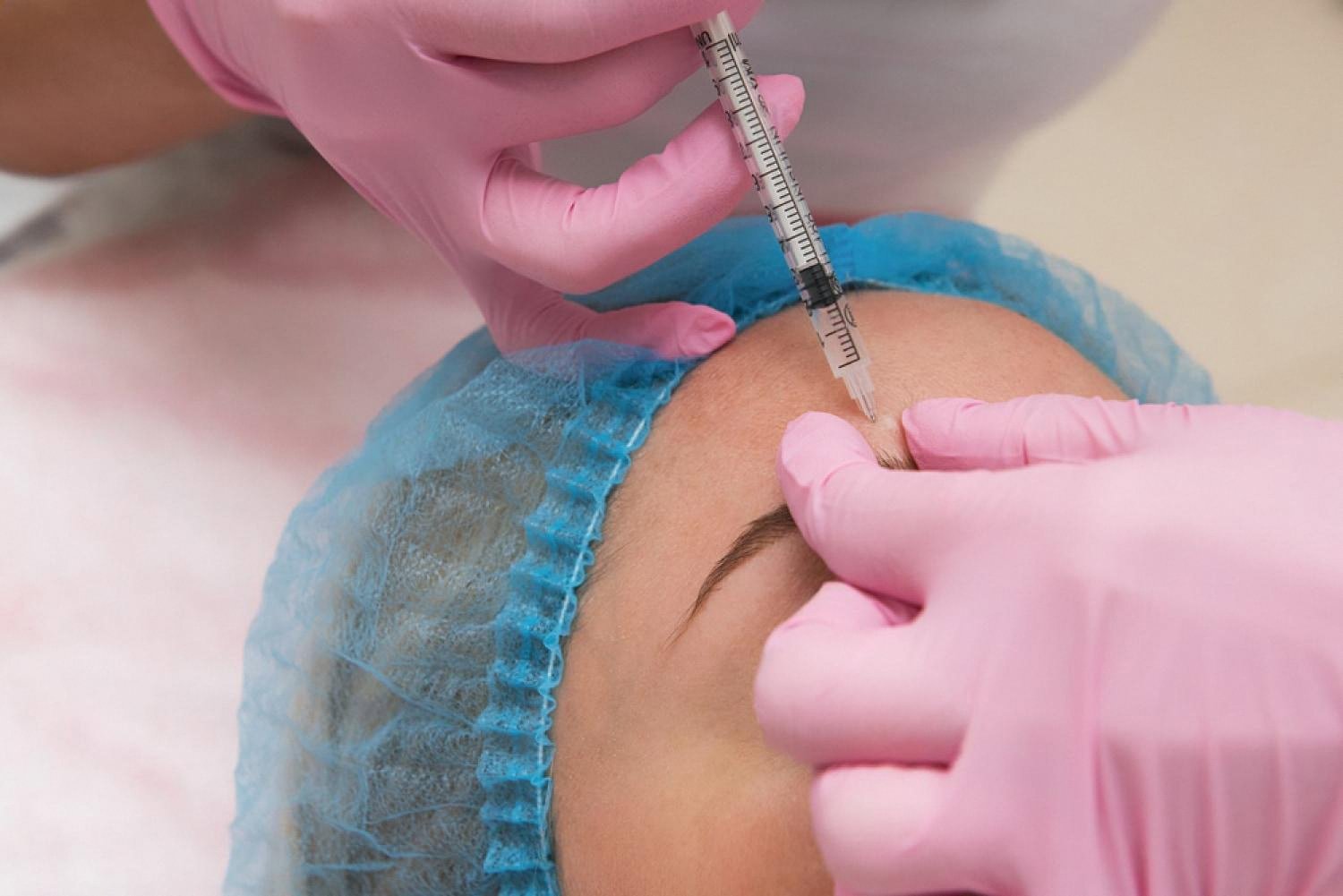
That is why serious support has to reach deeper. Injectable protocols place active ingredients directly into the dermis, which is where new fibres are actually built. The skin then does the repair itself, given the right raw materials.
Cause 2
The Gulf sun is the second clock
UVA rays go deep enough to break down existing elastin and damage collagen fibres directly. In the UAE the exposure is intense and constant, so the process runs faster than in cooler climates. Without daily protection, any restorative treatment fights against a tide that never stops.
Solutions
Three procedures that work at the right depth
Each option addresses a different weakness. A trusted cosmetic clinic dubai will usually combine them rather than push one solution for every case, because the diagnosis matters more than the product. Below is a practical view of what each does best.
Biorevitalisation
This is hyaluronic acid delivered into the mid-dermis. It hydrates from within and gives fibroblasts the wet, cushioned environment they need to keep working. A full course, not a single visit, is where the visible change comes from: skin looks plumper, pores tighten, and fine lines soften. It suits skin that reads as dull, tired, and dehydrated more than deeply lined.
Plasma therapy (PRP)
Also called plasmolifting. The clinician draws a small amount of your blood, separates the platelet-rich plasma, and injects it back into the skin. Growth factors from your own platelets signal fibroblasts to divide and produce fresh collagen. It is a regeneration trigger rather than a filler, and it pairs well with biorevitalisation for skin that has lost tone but not volume.
Mesotherapy
A tailored cocktail of vitamins, amino acids, and antioxidants placed just under the surface. It handles pigmentation, evens tone, and treats dryness. For skin that feels tight and flaky, especially after long sun exposure, mesotherapy is often the maintenance backbone rather than a one-off treatment.
Practical takeaways
Match the treatment to the problem
Hydration issue? Biorevitalisation. Loss of tone? PRP. Pigmentation and dryness? Mesotherapy. A good clinician will tell you which one, not sell you all three at once.
Finish the course
One session is a taste. Real change shows up after the full protocol and a short maintenance schedule two or three times a year.
Protect what you paid for
Every hour of unprotected sun undoes some of the work. Sunscreen is not optional in the UAE, it is part of the treatment.
SPF 50 is where results live or die
Use a broad-spectrum sunscreen of SPF 50 or higher every day, and reapply every two hours when you are outdoors or near reflective surfaces like water and sand. Skipping this step is the single fastest way to waste an expensive treatment course. Without daily UV protection the newly built collagen breaks down almost as quickly as it is produced, and elasticity keeps sliding backwards.
Frequently asked questions
At what age should I start thinking about elasticity treatments?
Most dermatologists in the region suggest starting preventive care in the late twenties. That does not mean aggressive injections. It usually means a light biorevitalisation course once or twice a year and consistent daily SPF. Waiting until deep lines appear is possible, but the results take longer to build.
Is biorevitalisation the same as filler?
No. Fillers use cross-linked hyaluronic acid to add volume in a specific place, like cheeks or lips. Biorevitalisation uses non-cross-linked hyaluronic acid that spreads through the dermis to hydrate and support fibroblasts. You will not see a shape change, you will see healthier, brighter skin.
How many PRP sessions do I need to see a difference?
A standard plan is three to four sessions spaced two to three weeks apart, then a top-up every six months. The first improvements in tone and texture usually appear after the second session, once the growth factors have triggered new collagen synthesis.
Can I combine mesotherapy with biorevitalisation?
Yes, and it is a common approach. Many protocols alternate them: mesotherapy to handle pigmentation and surface dryness, biorevitalisation to rebuild deeper hydration and support. Your practitioner should map the schedule so you are not treating the same area twice in one week.
Which SPF should I use in Dubai?
Choose a broad-spectrum sunscreen of at least SPF 50 with UVA protection. Apply a generous layer in the morning and reapply every two hours when outside. Powder or spray reapplication makeup-friendly formats make this practical during the day.
Are these procedures safe for darker skin tones?
Biorevitalisation, PRP and most mesotherapy cocktails are considered safe across skin phototypes because they do not use heat or aggressive exfoliation. The main caveat is pigmentation risk if the skin is inflamed or freshly sun-exposed, so treatments are often scheduled outside peak summer weeks.
How long does the effect of a full course last?
With a completed protocol and steady sun protection, results typically hold for six to twelve months before a maintenance session is useful. Without daily SPF the window shrinks to a few months, which is why sunscreen is treated as part of the treatment rather than a separate habit.

Surfer, coffee addict and product designer. Performing at the intersection of minimalism and purpose to save the world from bad design. Nothing ventured, nothing gained.