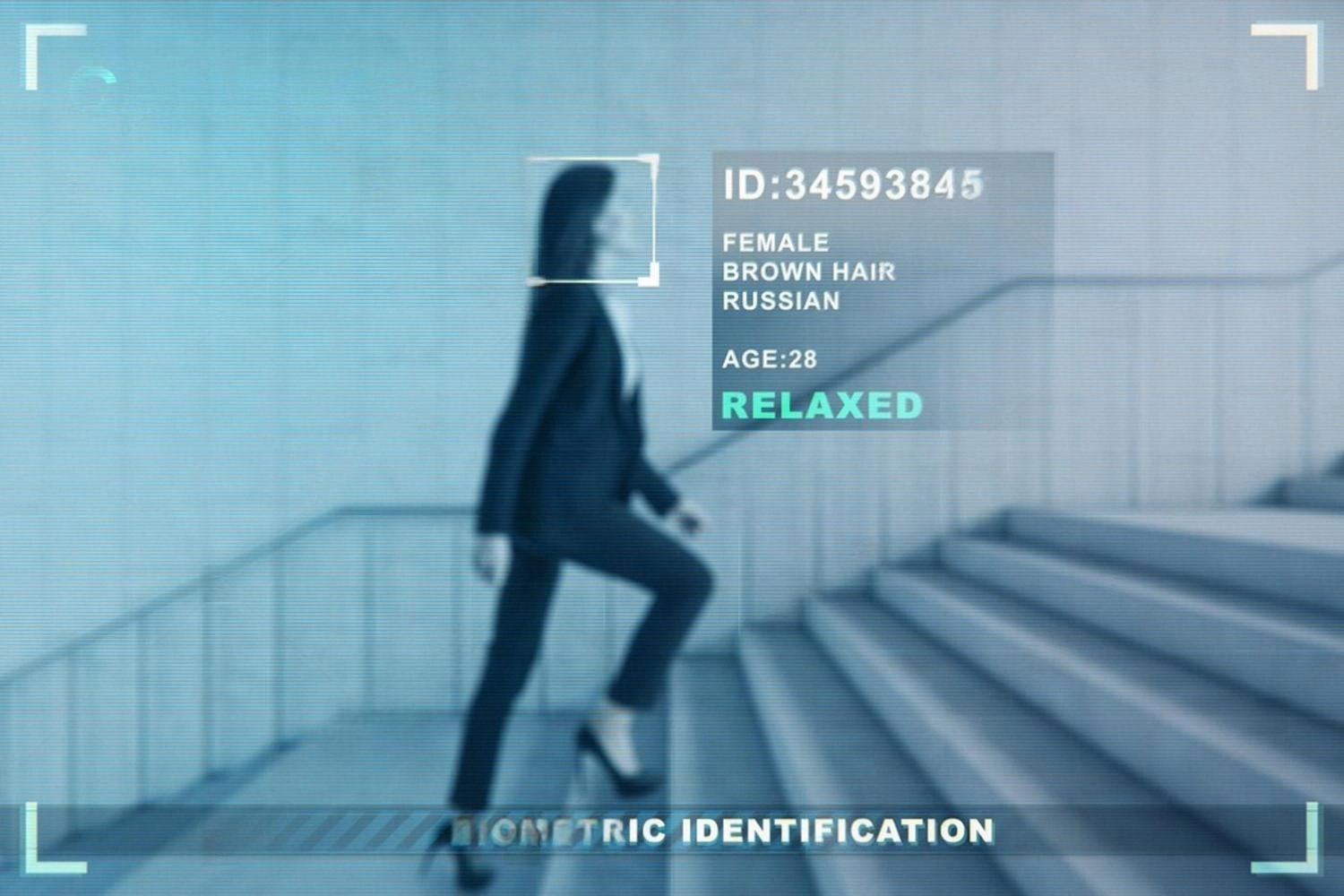

Hotel operations
Passport scanners are quietly rewriting the UAE check-in experience
Anyone who has walked into a busy Dubai lobby at 3 p.m. knows the feeling: three families ahead, one printer that has jammed, and a receptionist typing passport numbers by hand. Passport scanners are the small piece of hardware that removes almost all of that friction, and UAE hotels have been early adopters.
Traditional check-in, with photocopying, manual data entry into the PMS, and signature capture, typically takes three to five minutes per guest. A passport scanner reads the machine-readable zone (MRZ) or the chip inside an e-passport and pushes clean data straight into the property management system in seconds. For a 200-room hotel with two afternoon peak hours, that difference is the gap between a calm lobby and a queue that spills past the concierge desk.
The queue problem
Why manual check-in slows everyone down
Manual check-in is slow for reasons that stack on top of each other. The receptionist has to read a passport in whatever alphabet it is printed in, transliterate names, retype the number, then photocopy the document and file the copy. Every keystroke is a chance to mistype a birthdate or swap two digits in a passport number, and those mistakes surface later as failed machine-readable passport checks or compliance flags.
The UAE also has strict registration requirements. Hotels are expected to share guest ID data with the relevant tourism authority shortly after check-in, so any manual bottleneck at the desk becomes a compliance bottleneck a few minutes later.
How the hardware works
What actually happens when the passport hits the scanner
A hotel-grade passport scanner combines an optical reader with an RFID module for e-passport chips. The device captures the visual page, decodes the MRZ line at the bottom, and, where available, reads the encrypted chip. Name, nationality, date of birth, document number, expiry date, and the passport photo are pushed into the property management system in one call.
Once that record lands in the PMS, the reservation is matched automatically. The screen shows the guest’s booking dates, room type, rate, and any notes, so the receptionist can confirm the stay and hand over the key without opening a second window. Pair the scanner with a contactless check-in system for hotels and much of the process shifts to the guest’s own phone before they even reach the lobby.
Impact at the desk
What reception teams actually notice
Front-desk staff in Dubai and Abu Dhabi report the same pattern once a scanner is in place: the physical clutter around the desk drops first. No more stacks of photocopies waiting to be filed, no toner runs mid-shift, no lost registration cards. The queue moves faster because each interaction is shorter, and the receptionist can look at the guest instead of a keyboard.
There is a compliance benefit too. Digital records are timestamped, searchable, and easier to hand to auditors than a stack of photocopied ID pages. For properties that host large corporate groups or MICE events at venues like Dubai World Trade Centre, being able to check in fifty delegates in under half an hour is a meaningful competitive edge.
Three practical wins for UAE hotels
Shorter queues, calmer lobbies
Peak-hour check-in windows compress from minutes to seconds, so families arriving from long-haul flights are in their rooms faster.
Less paperwork at reception
Digital scans replace photocopies, filing, and manual data entry, freeing staff to focus on service instead of admin.
Cleaner compliance trail
Guest data lands in the PMS with fewer typos, ready for reporting to UAE tourism authorities without rekeying.
What to check before buying
- Full MRZ and RFID chip support, so both older passports and modern e-passports are read reliably.
- Native integration with the hotel’s PMS (Opera, Protel, Cloudbeds, or similar), not a CSV export middle step.
- Compliance with UAE data-handling rules and a clear retention policy for scanned images.
- OCR that handles Arabic, Cyrillic, and Chinese characters cleanly, since UAE guest mixes are unusually diverse.
- A footprint small enough to sit on a narrow reception counter without crowding the card terminal.
The bottom line
A passport scanner is not a flashy piece of technology, but it is one of the highest-ROI upgrades a UAE hotel can make. Shorter queues, fewer errors, less paper, and calmer staff all trace back to the same fifteen-second scan. In a market where guest reviews often turn on the first impression at the lobby, that is worth the counter space.
Frequently asked questions
How much faster is check-in with a passport scanner?
Most UAE hotels report the full check-in dropping from three to five minutes to under a minute per guest. The scan itself takes about two seconds, and the remaining time is spent confirming the booking and handing over the key.
Does a passport scanner work with all types of ID?
Modern hotel scanners read passports (both traditional MRZ and e-passport chips), UAE Emirates ID cards, and most national ID cards with a machine-readable zone. Driving licences are usually not supported for guest registration because they lack an MRZ.
Is guest data safe when it is stored digitally?
Reputable systems encrypt scanned data both in transit and at rest, and let hotels set retention periods in line with UAE regulations. In practice, digital storage is more secure than the photocopies traditionally kept in a filing cabinet behind reception.
Can passport scanners be used for group or corporate check-ins?
Yes, and this is one of the strongest use cases. A group of fifty delegates that would take an hour or more to register manually can be processed in fifteen to twenty minutes when each passport is scanned and matched to a pre-loaded rooming list.
Does the scanner replace the receptionist?
No. It removes typing and photocopying, but the human role of welcoming the guest, explaining the property, and handling special requests stays exactly where it should. Staff end up spending more time talking to guests, not less.
Do UAE authorities accept digital guest records?
Yes. UAE tourism authorities expect timely, accurate guest data, and digital records from an integrated scanner are easier to submit and audit than paper copies. Hotels should confirm the exact reporting format required in their emirate.

Surfer, coffee addict and product designer. Performing at the intersection of minimalism and purpose to save the world from bad design. Nothing ventured, nothing gained.